MONOGUITARBAG Team

Guitar Case Interior: Foam, Plush and the Premium Feel

The interior is what players touch every time. It defines perceived quality as much as the shell. Interior materials Plush velvet: premium, used in hard cases. Microfiber: soft, protects finishes. EVA foam: impact absorption. Corduroy: budget classic. Layering Good cases use foam under fabric. The foam takes impact; the fabric protects the finish. Interior colors

Guitar Case Interior: Foam, Plush and the Premium Feel Read More »
Guitar Case Factory Tour: What a Real OEM Factory Should Look Like

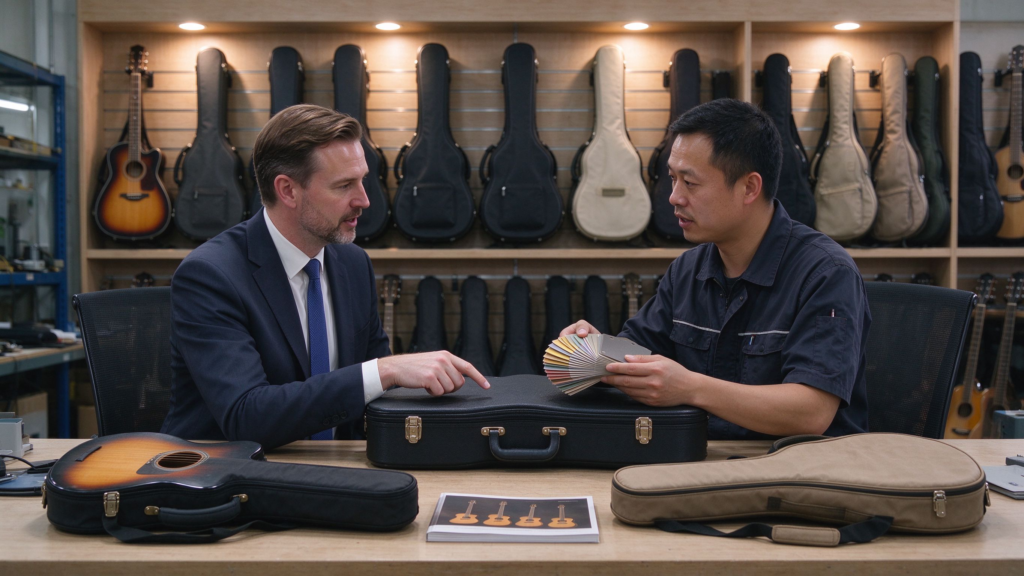
Not every “factory” is a factory. Here is what to check when you visit or video-audit a guitar case supplier. Production lines Cutting and stitching stations for soft goods. Woodworking or molding lines for shells. Assembly, hardware fitting and packing stations. What a real factory shows Material inventory — leather, foam, hardware in stock. QC

Guitar Case Factory Tour: What a Real OEM Factory Should Look Like Read More »

Gig Bags for Electric Guitars: Padding Density Explained

Electric guitar gig bags look similar but protect very differently. Padding density — not just thickness — is the deciding factor. What padding density means Density is how tightly foam is packed. High-density foam resists impact; low-density foam squashes flat under pressure. Two bags with the same thickness can protect differently. Reading a spec sheet

Gig Bags for Electric Guitars: Padding Density Explained Read More »

Guitar Case Hardware: Latches, Locks and Handles That Last

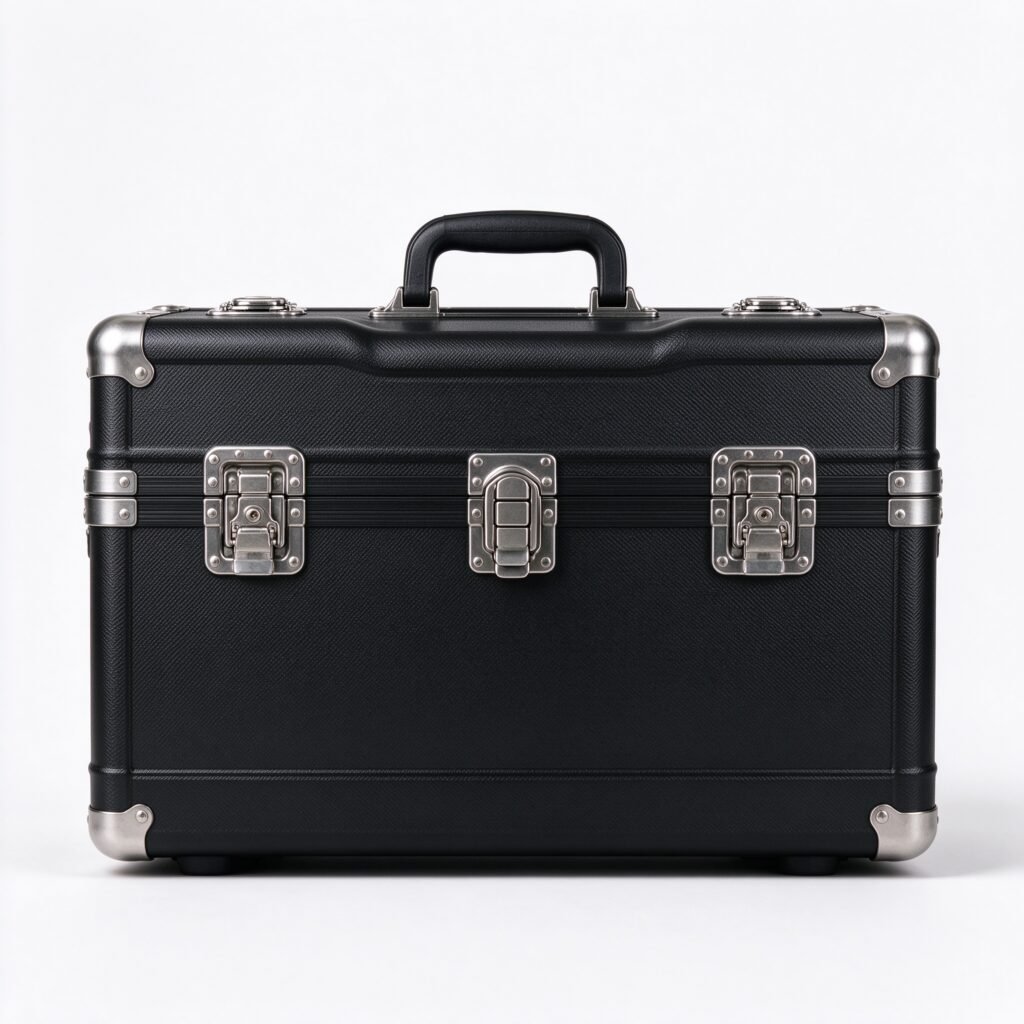
Hardware fails before fabric. Latches, locks and handles are the first parts to break on cheap cases. Latches Plastic: cheap, breaks in cold weather. Zinc alloy: durable, standard on hard cases. Butterfly: strong, used on flight cases. Locks Keyed locks: secure but easy to lose keys. Combination: no keys, TSA variants exist. Latch-only: fine for

Guitar Case Hardware: Latches, Locks and Handles That Last Read More »

Guitar Case Packaging: Protecting Your Product to the Store

Packaging is the last protection layer. Bad packaging undoes good case quality before the customer opens the box. Packaging layers Polybag: dust and scratch protection. Box: crush protection for shipping. Carton: structural strength for pallets. What brands check Corner protection inside the box. Void fill so the case does not shift. Label and barcode placement.

Guitar Case Packaging: Protecting Your Product to the Store Read More »

Guitar Case Hardware Guide: Latches, Handles and Locks That Last

Hardware is where premium guitar cases are won or lost. Here is what we spec on every case we manufacture, and what brands should look for when sourcing. Latches We use die-cast metal latches with positive spring closure on all hard cases. Cheap plastic latches break within months of touring use. For TSA-compliant lines, integrated

Guitar Case Hardware Guide: Latches, Handles and Locks That Last Read More »

Semi-Hard Guitar Cases: The Middle Ground Between Bag and Hardshell

Semi-hard cases are quietly becoming the fastest-growing segment. Here is why they win at retail. What a Semi-Hard Case Is A rigid foam-core shell (usually 5-10mm) sandwiched between fabric, with shaped end caps for the headstock and body. It collapses less than a bag, weighs less than ABS hardshell, and costs less than both premium

Semi-Hard Guitar Cases: The Middle Ground Between Bag and Hardshell Read More »

Ukulele Case Sizes: Soprano, Concert, Tenor and Baritone

Ukuleles come in four common sizes, and cases must match. Here is the quick reference buyers and players need. The sizes Soprano: ~21 in (53 cm) total length — the classic small uke. Concert: ~23 in (58 cm) — slightly bigger, fuller sound. Tenor: ~26 in (66 cm) — popular with professionals. Baritone: ~30 in

Ukulele Case Sizes: Soprano, Concert, Tenor and Baritone Read More »