MONOGUITARBAG Team

Classical Guitar Bags: Why Humidification Matters for Nylon-String Players

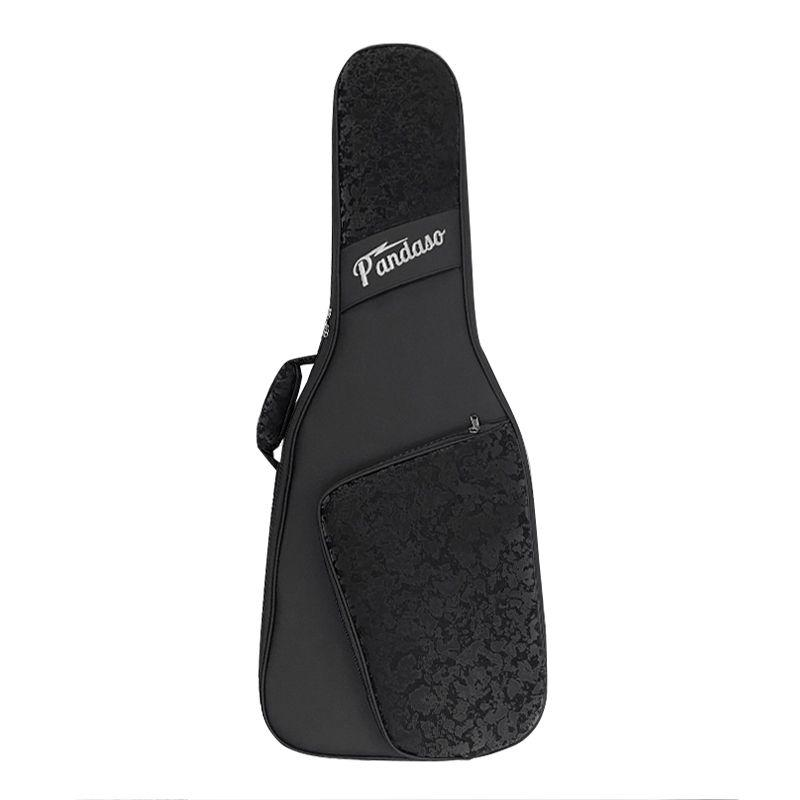
Classical guitars are built from thinner, lighter woods than steel-string acoustics, which makes them more sensitive to humidity changes. A good classical guitar bag does more than carry the instrument — it can help protect it from the environment. Solid-top classical guitars absorb and release moisture easily. In dry winter air, the top can develop

Classical Guitar Bags: Why Humidification Matters for Nylon-String Players Read More »
7-String Guitar Cases: Sizing and Protection Guide

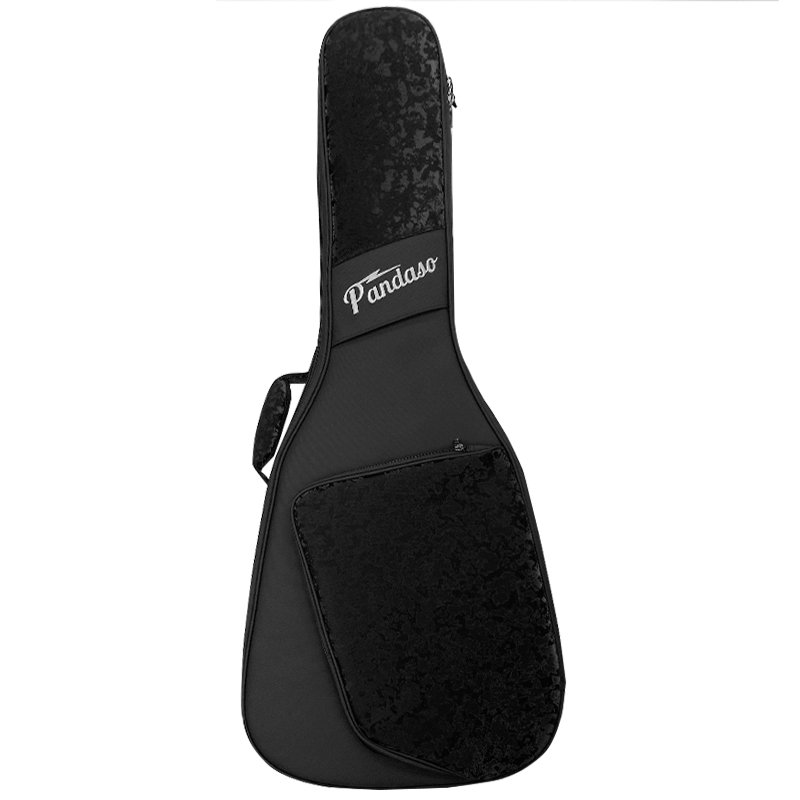
7-string guitars are longer and wider than 6-strings. Cases made for standard guitars often do not fit. Sizing Most 7-strings run 40-41 in total length with wider bodies. Check the interior length and lower-bout width against your specific model. Protection Hard case: best for shipping and touring. Semi-hard: gig-friendly protection. Gig bag: light, local use

7-String Guitar Cases: Sizing and Protection Guide Read More »

Semi-Hard Guitar Cases: The Middle Ground That Sells

Semi-hard cases combine gig-bag weight with hardshell protection. They are the fastest-growing segment in the case market. What makes a case “semi-hard” A rigid or semi-rigid shell (ABS, fiberglass or EVA) sandwiched between outer fabric and plush interior. It holds shape under pressure but bends where a hardshell would not. Why buyers like them Lighter

Semi-Hard Guitar Cases: The Middle Ground That Sells Read More »

Violin Case Buying Guide: What Retailers Should Stock in 2018

Violin cases serve three distinct buyer groups. Stocking all three tiers maximizes your string instrument accessory revenue. Tier 1: Student Fiberglass and plywood cases with molded interiors. Durable, affordable, and the default for school rental programs. Look for secure latches and handle comfort. Tier 2: Intermediate Suspension cases (like our hightech ABS builds) that float

Violin Case Buying Guide: What Retailers Should Stock in 2018 Read More »

Traveling with a Guitar: Airline Rules and Case Tips

Flying with a guitar keeps changing as airlines revise policies. Plan for the current rules and protect the instrument. Rules to know Most US airlines allow guitars as carry-on if they fit overhead. Some require checking for full-size cases. Hard cases protect better in the hold; gig bags are riskier. Case tips Loosen strings for

Traveling with a Guitar: Airline Rules and Case Tips Read More »

Flight Cases for Guitars: What Tour-Grade Protection Means

Flight cases are the heavy armor of the case world. Built for airlines, trucks and constant loading, they protect when everything else fails. What makes a flight case Aluminum or plywood frame with metal corners. Recessed or butterfly latches. Foam-lined interior with instrument cradles. Wheels and handles for heavy loads. Tour-grade details Stackable corners for

Flight Cases for Guitars: What Tour-Grade Protection Means Read More »

Drum Bags vs Cases: What Kit Owners Should Buy

Drummers protect a kit worth thousands with bags that cost tens. Choosing right means matching protection to travel. Bags Light, soft, cheap. Protect from dust and scratches. Fine for car gigs. Hard cases Max protection for touring. Heavy, expensive. For flights and truck packing. Hybrid approach Kick drum: hard case always. Toms: padded bags. Snare:

Drum Bags vs Cases: What Kit Owners Should Buy Read More »

PU Leather vs ABS Guitar Cases: Which Material Wins for OEM?

Two materials dominate OEM case programs. Each wins on different criteria: look, cost, weight and tooling. PU leather over wood Premium look, classic aesthetic. Higher cost, heavier. Tooling: standard wood-mold process, flexible sizes. ABS molded Lightweight, waterproof, lower cost. Modern look, limited color range. Tooling: injection molds, higher upfront cost, fast production. Decision by market

PU Leather vs ABS Guitar Cases: Which Material Wins for OEM? Read More »