
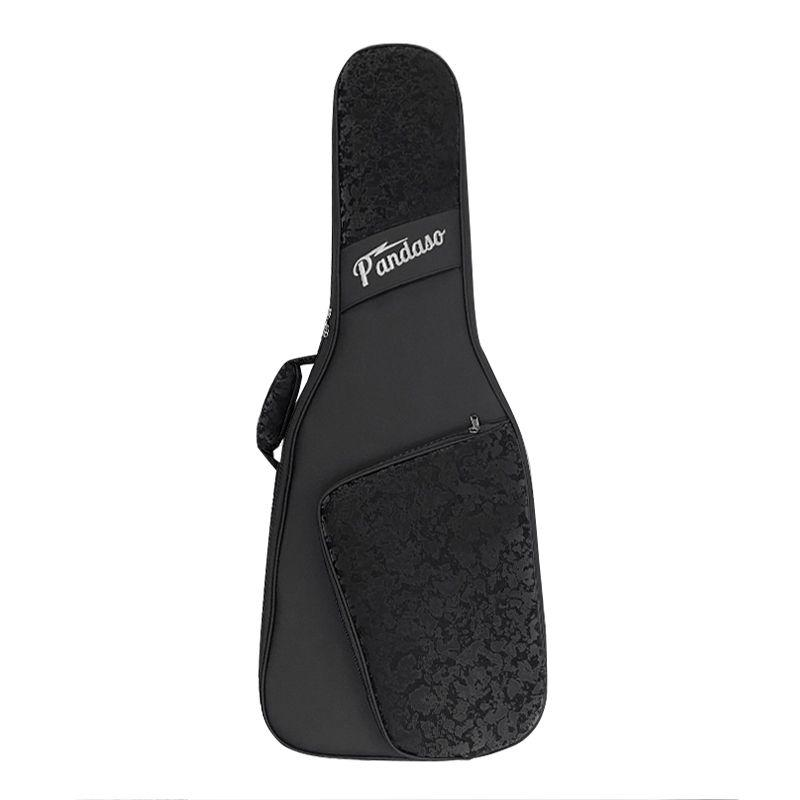
Buying the wrong case size is one of the most common gear mistakes — the guitar looks like it fits until the neck is stressed or the body rattles around. Here is a practical guide to how case sizes match popular guitar shapes.
Body Shapes and Case Profiles
- Les Paul / single-cut: shorter body with a wide lower bout; needs a case that accommodates the wider cutaway area.
- Stratocaster / double-cut: longer, slimmer body profile; fits most standard electric cases.
- SG: thin double-cut body with deep cutaways; many standard cases leave room at the horns.
- Dreadnought acoustic: deep, wide body; acoustic cases are shaped differently from electric cases and are not interchangeable.
- Bass: extra length — most basses need 115–125 cm interior length.
Reading Interior Dimensions
Case manufacturers list interior length, body width and depth. The critical numbers are total interior length (headstock to endpin) and body depth (acoustic instruments especially). A case listed for “electric guitar” generally fits 38–40 cm bodies; “acoustic” cases are built around 4–5 cm deeper bodies.
Why Neck Support Matters in Every Size
Whatever the size, a correct case holds the neck in a cradle so the headstock never touches the bottom. If the neck rests on the case floor, every bump travels straight into the neck joint — regardless of how expensive the case is.
Custom Sizes for Unusual Instruments
7-string and 8-string guitars, baritones, 12-strings and travel-scale instruments often need custom interiors. Factories that make cases in-house, like ours, can produce custom-size interiors for OEM runs and aftermarket replacements. Talk to our team about custom sizes.