
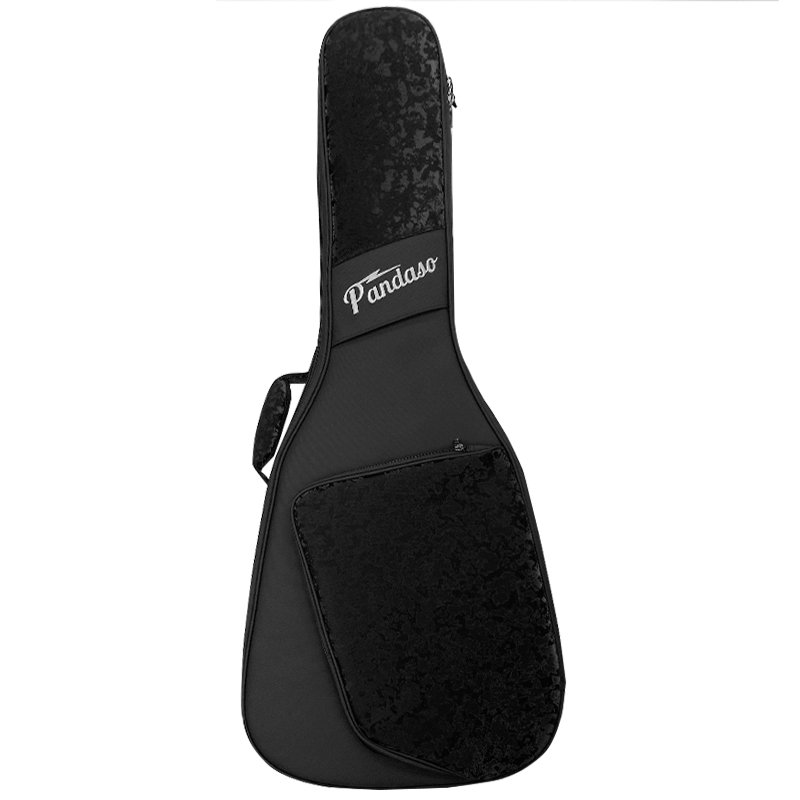
Shipping a guitar is stressful — instruments arrive damaged more often from bad packing than from rough couriers. Here is the packing method we recommend to customers shipping instruments worldwide.
Step 1: Choose the Right Inner Protection
A hard case is the safest inner layer for shipping. If you must ship in a gig bag, use a premium padded bag with rigid panels. In both cases, make sure the guitar fits snugly with the neck supported — a loose instrument inside a case is its own hazard.
Step 2: Loosen the Strings
Reduce string tension about half a turn (not fully slack). This lowers stress on the neck during temperature and pressure changes in transit. If shipping by air, pressure changes are significant — keep the instrument in a sealed, padded case.
Step 3: Box Size and Cushioning
- Choose a box at least 10–15 cm larger than the case in every direction.
- Use 5–8 cm of cushioning (foam sheets, bubble wrap, or crumpled paper) on every side — corners and ends get the most.
- Never leave the case touching the box walls.
Step 4: Protect the Headstock
The headstock is the most fragile part in transit. Add extra cushioning at the headstock end of the case and box — a common failure point is a snapped headstock from a drop on that end.
Step 5: Label and Seal
- Write “FRAGILE” and “THIS END UP” on multiple sides.
- Reinforce seams with strong tape; double-wall boxes for heavy cases.
- Remove loose items (cables, tuners) from inside the case before shipping.
Insurance and Tracking
Always insure the shipment for the instrument’s value and use tracking. Take photos of the packed instrument before sealing — they help with claims if needed.
If you ship instruments regularly as a business, ask us about custom shipping-ready case and packaging solutions — case and carton design can be built to minimize damage and freight cost together.