Industry Insights

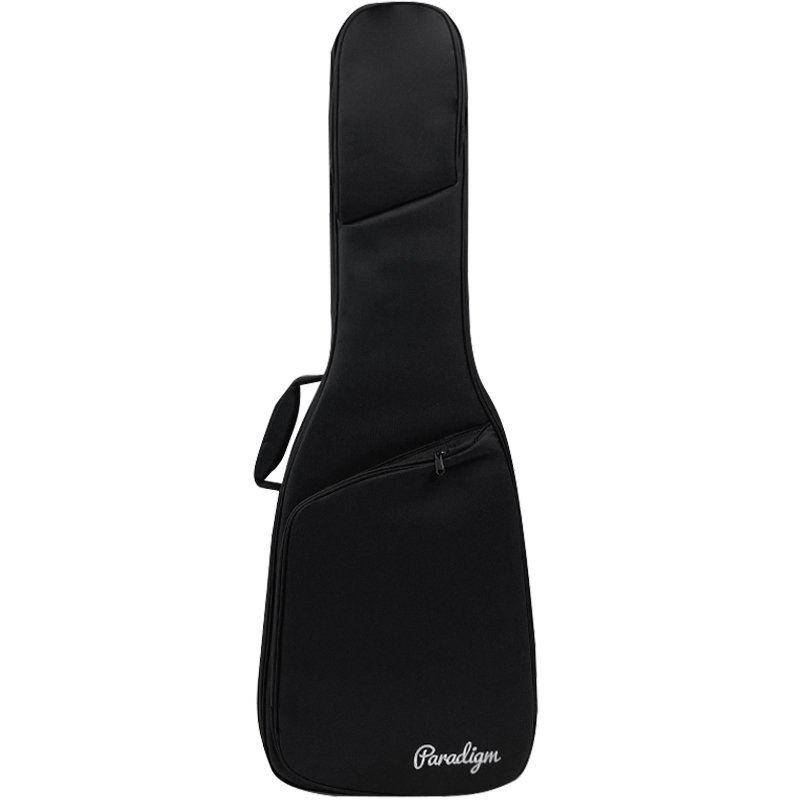
Why Buyers Choose China Guitar Case Factories: Advantages and Risks

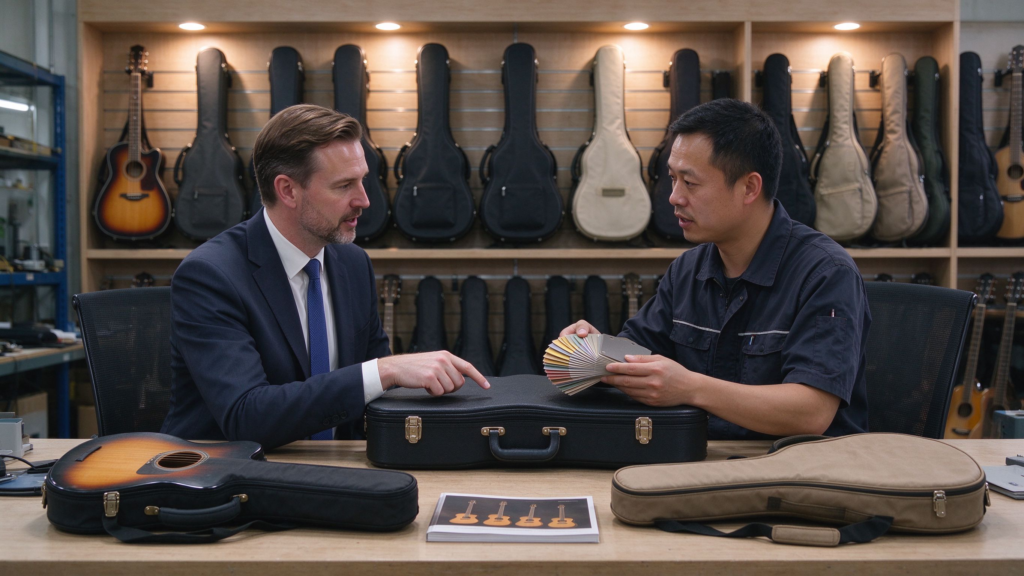
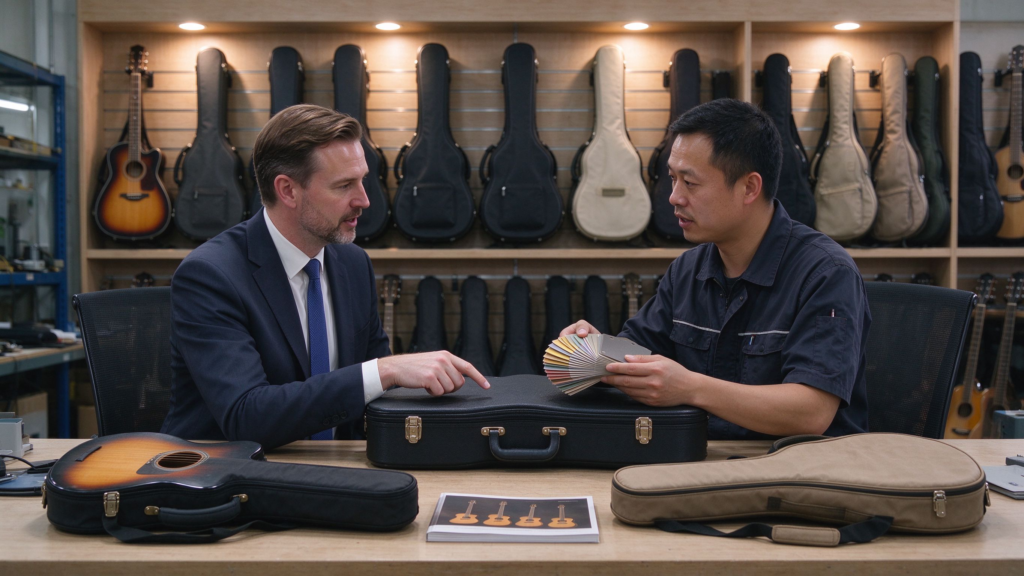
China dominates guitar case manufacturing. Understanding the advantages and the risks makes your sourcing smarter. Advantages Full supply chain: materials, hardware and molds in one ecosystem. Capacity: factories can scale from 100 to 100,000 units. Cost: competitive labor and material pricing. Experience: decades of OEM work for global brands. Risks and how to manage them

Why Buyers Choose China Guitar Case Factories: Advantages and Risks Read More »
Seasonal Guitar Case Trends: What Sells in Fall and Winter

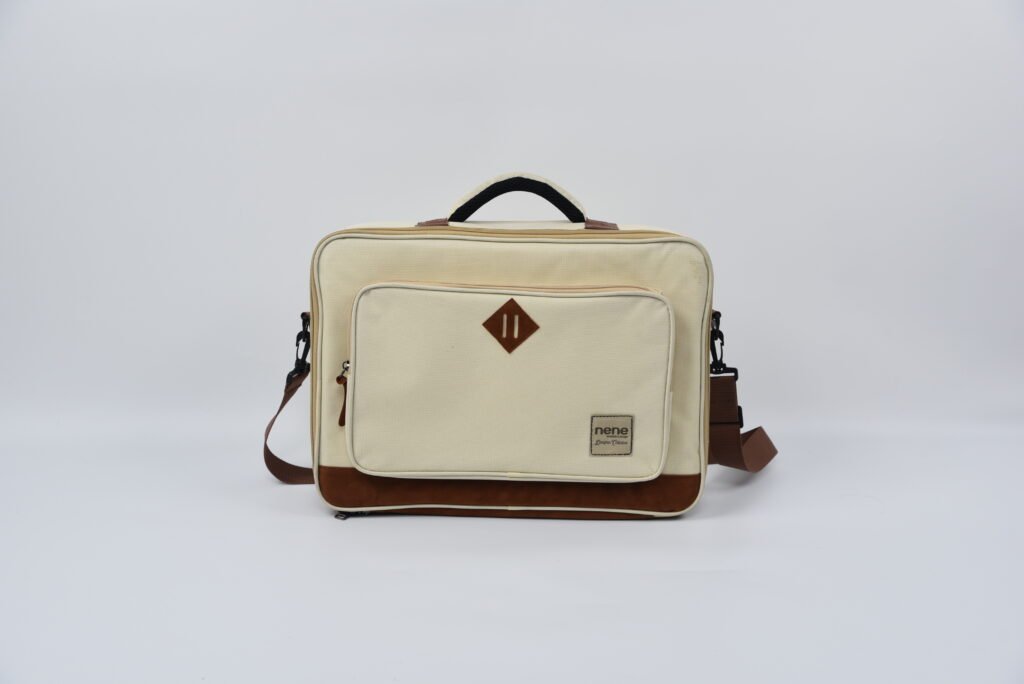
Accessory sales follow seasons. Cases are a fall/winter category: gifting, school start and holiday travel drive demand. Fall drivers School programs order cases for students. Bands gear up for winter tours. New instrument sales need cases. Winter drivers Gift season: cases as gifts. Travel: airline-friendly cases. Storage: cases for instruments at home. Planning tip Order

Seasonal Guitar Case Trends: What Sells in Fall and Winter Read More »

Drum Bag Buyer Guide: Protection for Your Kit on the Road

Drum bags protect drums from scratches, dents and weather. Choosing the right ones keeps a kit sounding and looking new. Types of drum bags Padded bags: lightweight, gig-friendly. Semi-hard: foam shell, better protection. Hard cases: maximum protection for touring. What to check Padding thickness (10-20mm for drums). Zipper quality — the most common failure. Handles

Drum Bag Buyer Guide: Protection for Your Kit on the Road Read More »

Violin Case Sizes: 1/8, 1/4, 1/2, 3/4 and 4/4 Explained

Violin cases come in fractional sizes that must match the instrument. Buying or producing the wrong size wastes money and protects nothing. The sizes 1/8: for children, body length ~27cm. 1/4: body ~31cm. 1/2: body ~35cm. 3/4: body ~37cm. 4/4 (full): body ~39-40cm, the standard adult size. Why fit matters An oversized case lets the

Violin Case Sizes: 1/8, 1/4, 1/2, 3/4 and 4/4 Explained Read More »

The Guitar Case Supply Chain: From Materials to Finished Case

Knowing the supply chain helps buyers plan lead times and spot quality risks. The chain Materials: PU leather, fabrics, foam, plywood, hardware. Cutting: exterior, interior, foam patterns. Sewing: bag body, handles, pockets. Molding (hard cases): ABS shells or wood frames. Assembly: interior, hardware, fit-check. QC: stitching, latches, dimensions. Packaging: polybag, box, carton. Where delays happen

The Guitar Case Supply Chain: From Materials to Finished Case Read More »

The Role of Interior Fabrics in Guitar Case Quality

The interior is the part that touches the instrument. Fabric choice affects protection and long-term finish. Common fabrics Velvet: soft, classic, premium feel. Plush (minky): thick, cushioned, modern. Suede: grippy, prevents sliding. Polyester fleece: durable and cheap. What to check Backing material — foam or felt behind the fabric. Stitch density — loose stitches fray

The Role of Interior Fabrics in Guitar Case Quality Read More »

The Evolution of the Guitar Case: From Wood to Carbon

The guitar case has changed more in the last 30 years than in the previous 100. Here is the timeline. Timeline 1950s: wooden cases with plush interiors. 1970s: chipboard and tolex. 1980s: molded ABS and flight cases. 1990s: gig bags and padded bags boom. 2000s: semi-hard hybrid designs. 2010s: fiberglass and carbon shells. 2020s: TSA

The Evolution of the Guitar Case: From Wood to Carbon Read More »