Industry Insights

Acoustic Bass Cases: The Forgotten Category with Real Demand

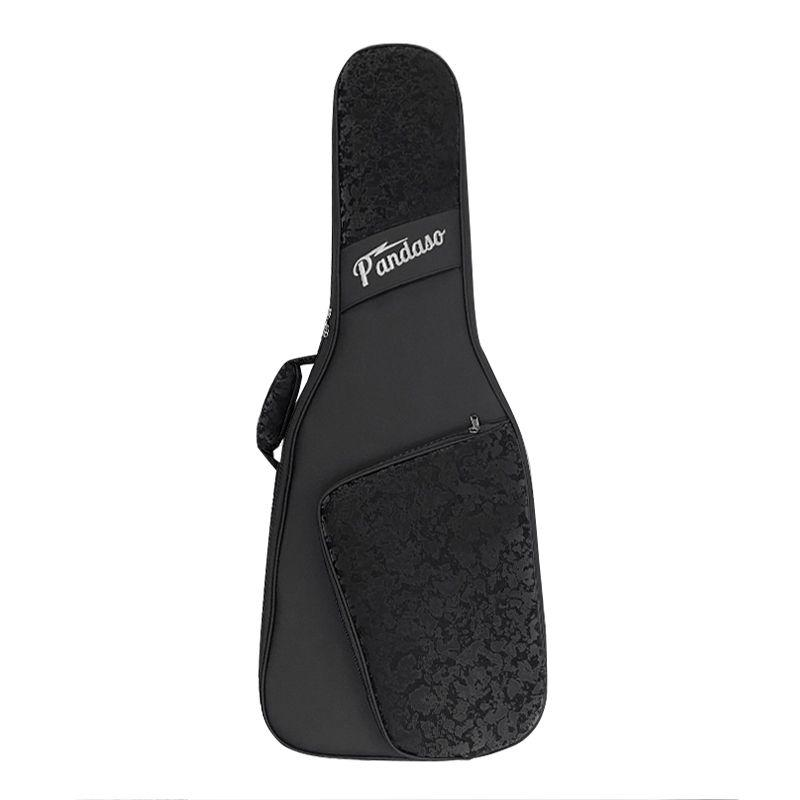
Acoustic basses are rarer than electric basses but players struggle to find cases that fit. Why the gap Acoustic bass bodies are bigger and thicker than electric basses. Standard bass cases leave them loose. What fits Dreadnought guitar cases often fit acoustic basses. Dedicated acoustic bass cases are rare but preferred. Opportunity Brands can own

Acoustic Bass Cases: The Forgotten Category with Real Demand Read More »
Guitar Case Interiors: Suspension vs Foam Cradles

The interior decides how the instrument sits in the case. Two systems dominate: suspension and foam cradles. Suspension interiors The guitar hangs in the case with the neck cradled and the body floating above the bottom. Nothing touches the back. Maximum finish protection — the premium standard. Foam cradles The body rests in shaped foam

Guitar Case Interiors: Suspension vs Foam Cradles Read More »

Guitar Case Storage Tips: Protecting Cases Between Gigs

Cases protect instruments, but cases themselves need care. Storage habits extend case life and keep instruments safe. Where to store Cool, dry space — avoid attics and garages. Away from direct sunlight (fades exteriors). Off the floor on shelves or stands. Humidity control Use silica gel or humidifiers for wood instruments. Check interior regularly for

Guitar Case Storage Tips: Protecting Cases Between Gigs Read More »

Semi-Hard vs Soft Cases: A Protection Comparison

The line between semi-hard and soft cases is blurry. Here is the honest comparison for buyers. Soft cases Fabric + foam only, no rigid core. Folds flat, lightest option. Protection: dust and light bumps. Semi-hard Rigid core (EVA/ABS) inside fabric. Keeps shape, resists crushing. Protection: drops and pressure. Heavier than soft, lighter than hard. Test

Semi-Hard vs Soft Cases: A Protection Comparison Read More »

Guitar Case Storage: Racks, Humidity and Long-Term Care

How cases are stored affects their life as much as how they are used. Storage rules Store cases upright or on racks, not stacked. Keep away from heaters and direct sun. Maintain moderate humidity. Long-term care Open and close latches regularly. Condition leather handles. Clean interior periodically. Retail tip Showcase cases with instruments inside to

Guitar Case Storage: Racks, Humidity and Long-Term Care Read More »

Classical Guitar Cases: Wood, ABS and Fiberglass Compared

Classical guitar cases come in three main materials, each with a distinct market. Wood Traditional, heavy, premium. Plywood with plush interiors. Popular in Europe and Asia. ABS molded Light, waterproof, impact-resistant. Budget-to-mid tier. Fiberglass/carbon Lightest and strongest. Premium price. Used by touring professionals. Choosing Match the material to the instrument value and travel profile. Browse

Classical Guitar Cases: Wood, ABS and Fiberglass Compared Read More »

Shipping Guitar Cases Worldwide: Lead Times and Freight Costs

Lead time and freight cost are half the buying decision. Here is what to expect when shipping guitar cases from China. Production lead time Stock designs: 7-15 days. Custom color/logo: 15-25 days. New molds (OEM): 30-45 days. Freight options Sea (FCL): most economical for 100+ cases. 25-40 days to US/EU ports. Sea (LCL): shared container,

Shipping Guitar Cases Worldwide: Lead Times and Freight Costs Read More »

Violin Case Humidity Control: Care and OEM Options

Wood instruments crack from dry air. Humidity control in cases prevents the most expensive repair a player can face. Why it matters Violins are assembled with hide glue and respond to moisture. Below 40% RH, wood can crack; above 60%, seams can open. Control options Sponges/humidifiers: cheap, must be maintained. Desiccant: for humid climates. Built-in

Violin Case Humidity Control: Care and OEM Options Read More »