Guitar players do not just buy guitars — they buy bags, straps, cases, pedals and accessories, and they buy them repeatedly. For brands and retailers, a well-built accessory line drives attachment sales and repeat orders. Here is how to build one.
Core Categories That Always Sell
- Gig bags and cases — the largest accessory category; buyers need one per instrument.
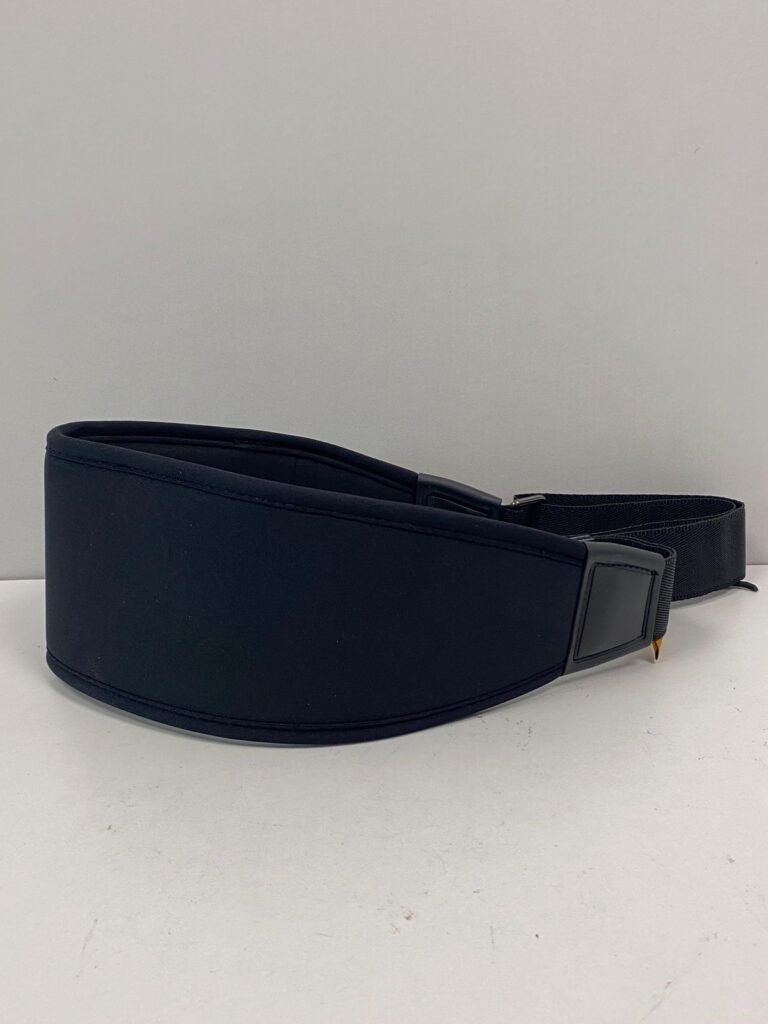
- Guitar straps — high repeat purchase; easy to differentiate with colors and materials.
- Pedalboard bags and cases — growing with the pedal market.
- Picks, cables, stands and hardware — low-ticket impulse items.
- Care products and pads — functional add-ons (like non-slip pads and cleaning cloths).
Price Tiering
| Tier | Typical Items | Role |
|---|---|---|
| Entry ($5–20) | Straps, pads, small accessories | Impulse buys, bundles |
| Mid ($20–60) | Gig bags, padded straps, pedalboard bags | Core volume |
| Premium ($60+) | Hard cases, leather goods, tour-grade bags | Margin and brand image |
OEM and ODM Advantages
Manufacturing directly with a factory lets a brand control color, material, branding and quality from day one, instead of reselling identical generic stock. Key advantages:
- Custom branding: logo embroidery, printed shells, custom hardware.
- Exclusive colors: a signature color makes the line identifiable.
- Private sizes: custom interiors for unusual instruments.
- Quality control: factory-owned production means consistent stitching and materials.
Start Small, Then Scale
Test with a small run — one strap line and one gig bag model — measure what sells, then expand. Factories like ours support small first orders and scale to container shipments as your line grows. See how OEM/ODM works with us, or browse the accessories range for product ideas.