
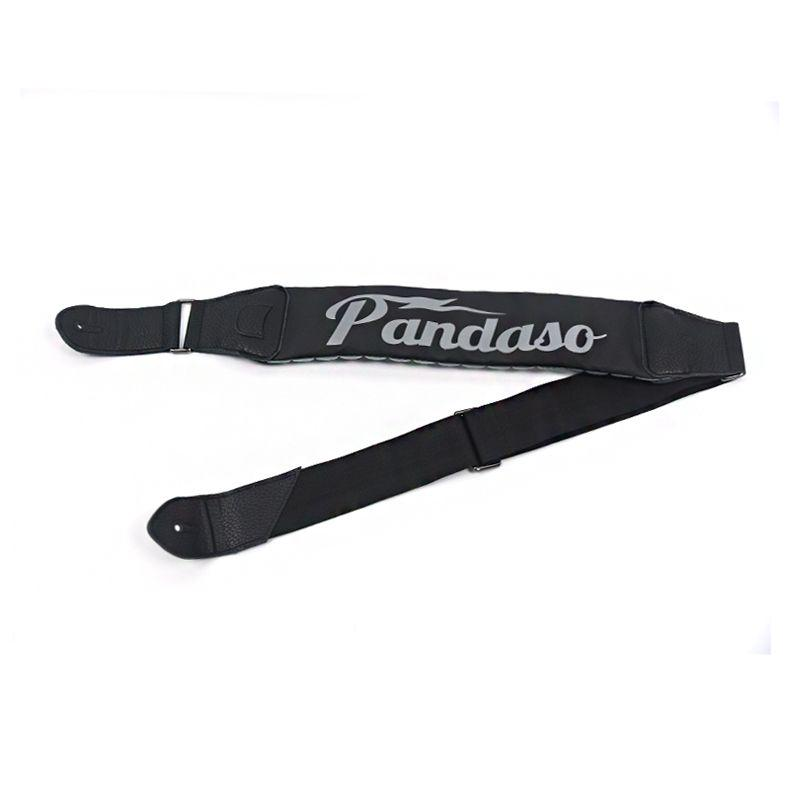
A guitar that falls off its strap on stage is every player’s nightmare — and the most preventable accident in music. Strap hardware is small, cheap and hugely important. Here is the complete picture.
Strap Buttons and Ends
Most guitars ship with two strap buttons (the pegs the strap slips over). Standard strap ends are cut leather or suede with a hole that stretches over the button. Over time the hole wears and the strap slips off — this is the most common cause of dropped guitars.
Strap Locks: What They Do
Strap locks replace or cover the strap button with a mechanism that locks the strap end in place. Types include:
- Button-replacement locks: screw into the strap button holes, accept the strap end, and lock with a release ring.
- Strap-end adapter sets: install a socket on the strap end and a stud on the guitar — quick to release, very secure.
- Washer-style locks: a rubber washer fits under the button and grips the strap hole — cheapest option.
Compatibility Notes
- Check the button thread — most are metric (M4/M5); some vintage guitars use imperial sizes.
- Some systems require strap ends with a specific hole size or reinforcement.
- Electric, acoustic and bass strap buttons are usually the same standard size.
Beyond Locks: Smart Habits
- Check strap screws are tight before every gig — they loosen over time.
- If you play standing, use a strap with non-slip backing or locks on both ends.
- On stage, a backup strap end in the gig bag saves the night if a lock fails.
Hardware Quality in OEM Straps
When ordering custom straps, specify hardware quality: solid metal buckles with positive lock, reinforced ends with proper stitching, and optional quick-release compatibility. Hardware is where budget straps fail first. See our strap range or spec strap hardware for your brand.