Industry Insights

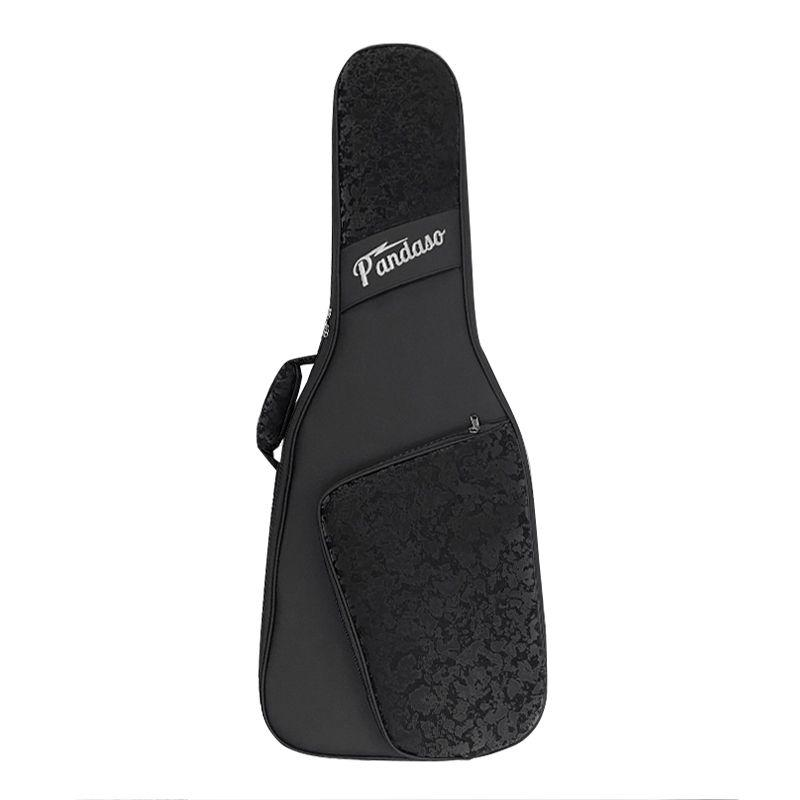
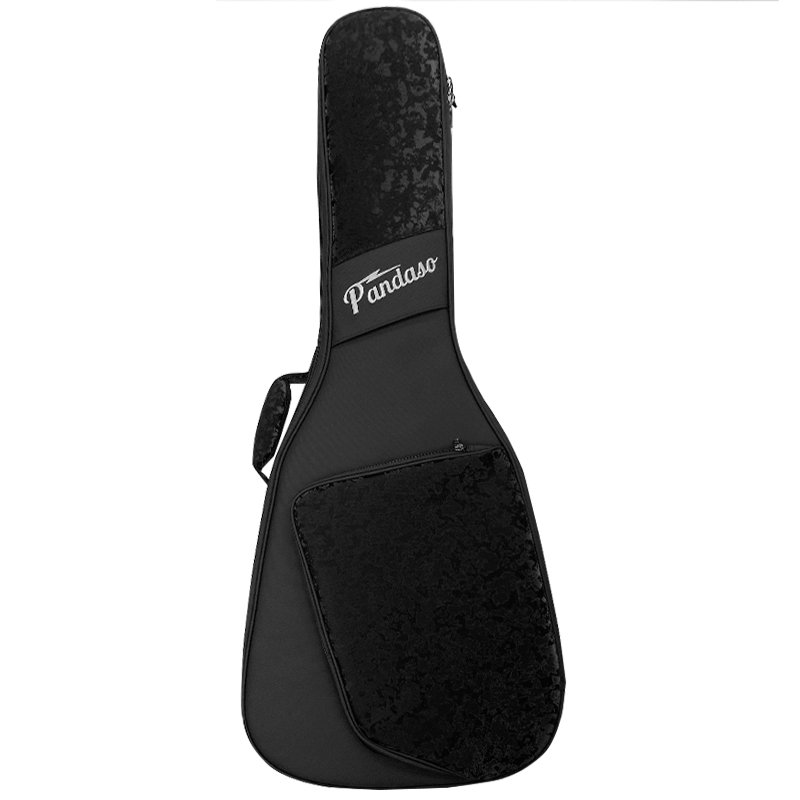
Guitar Case Interior: Foam, Plush and the Premium Feel

The interior is what players touch every time. It defines perceived quality as much as the shell. Interior materials Plush velvet: premium, used in hard cases. Microfiber: soft, protects finishes. EVA foam: impact absorption. Corduroy: budget classic. Layering Good cases use foam under fabric. The foam takes impact; the fabric protects the finish. Interior colors

Guitar Case Interior: Foam, Plush and the Premium Feel Read More »
Guitar Case Factory Tour: What a Real OEM Factory Should Look Like

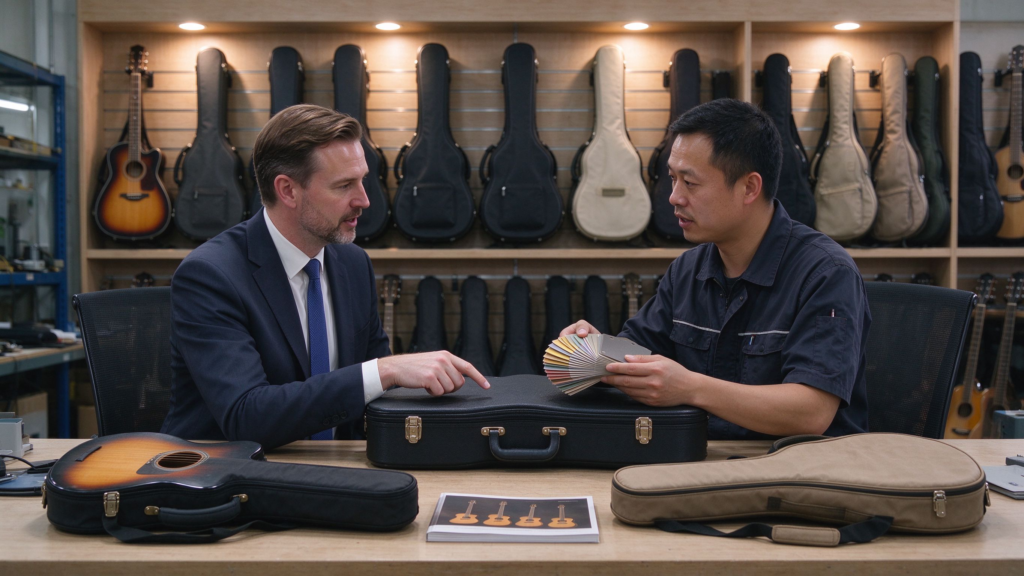
Not every “factory” is a factory. Here is what to check when you visit or video-audit a guitar case supplier. Production lines Cutting and stitching stations for soft goods. Woodworking or molding lines for shells. Assembly, hardware fitting and packing stations. What a real factory shows Material inventory — leather, foam, hardware in stock. QC

Guitar Case Factory Tour: What a Real OEM Factory Should Look Like Read More »

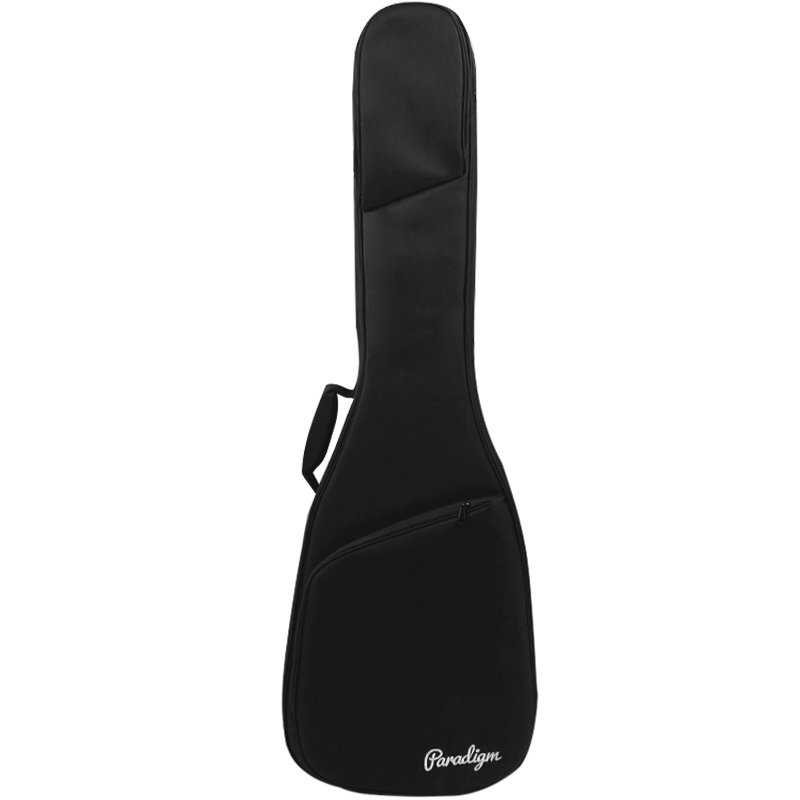
Gig Bags for Electric Guitars: Padding Density Explained

Electric guitar gig bags look similar but protect very differently. Padding density — not just thickness — is the deciding factor. What padding density means Density is how tightly foam is packed. High-density foam resists impact; low-density foam squashes flat under pressure. Two bags with the same thickness can protect differently. Reading a spec sheet

Gig Bags for Electric Guitars: Padding Density Explained Read More »

Guitar Case Hardware: Latches, Locks and Handles That Last

Hardware fails before fabric. Latches, locks and handles are the first parts to break on cheap cases. Latches Plastic: cheap, breaks in cold weather. Zinc alloy: durable, standard on hard cases. Butterfly: strong, used on flight cases. Locks Keyed locks: secure but easy to lose keys. Combination: no keys, TSA variants exist. Latch-only: fine for

Guitar Case Hardware: Latches, Locks and Handles That Last Read More »

Guitar Case Packaging: Protecting Your Product to the Store

Packaging is the last protection layer. Bad packaging undoes good case quality before the customer opens the box. Packaging layers Polybag: dust and scratch protection. Box: crush protection for shipping. Carton: structural strength for pallets. What brands check Corner protection inside the box. Void fill so the case does not shift. Label and barcode placement.

Guitar Case Packaging: Protecting Your Product to the Store Read More »

Ukulele Case Sizes: Soprano, Concert, Tenor and Baritone

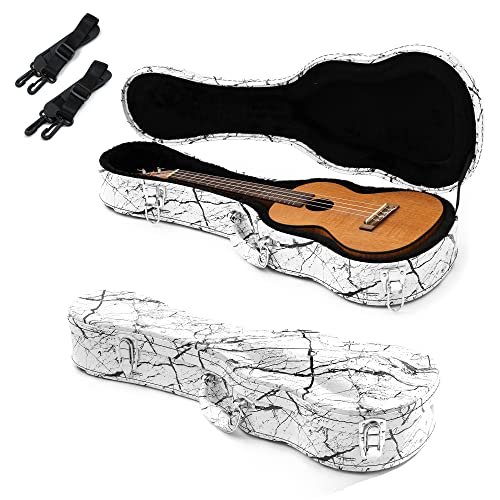
Ukuleles come in four common sizes, and cases must match. Here is the quick reference buyers and players need. The sizes Soprano: ~21 in (53 cm) total length — the classic small uke. Concert: ~23 in (58 cm) — slightly bigger, fuller sound. Tenor: ~26 in (66 cm) — popular with professionals. Baritone: ~30 in

Ukulele Case Sizes: Soprano, Concert, Tenor and Baritone Read More »

Semi-Hard Guitar Cases: The Middle Ground That Sells

Semi-hard cases combine gig-bag weight with hardshell protection. They are the fastest-growing segment in the case market. What makes a case “semi-hard” A rigid or semi-rigid shell (ABS, fiberglass or EVA) sandwiched between outer fabric and plush interior. It holds shape under pressure but bends where a hardshell would not. Why buyers like them Lighter

Semi-Hard Guitar Cases: The Middle Ground That Sells Read More »

7-String Guitar Cases: Sizing and Protection Guide

7-string guitars are longer and wider than 6-strings. Cases made for standard guitars often do not fit. Sizing Most 7-strings run 40-41 in total length with wider bodies. Check the interior length and lower-bout width against your specific model. Protection Hard case: best for shipping and touring. Semi-hard: gig-friendly protection. Gig bag: light, local use

7-String Guitar Cases: Sizing and Protection Guide Read More »