MONOGUITARBAG Team

Guitar Case Straps and Handles: Ergonomics That Sell

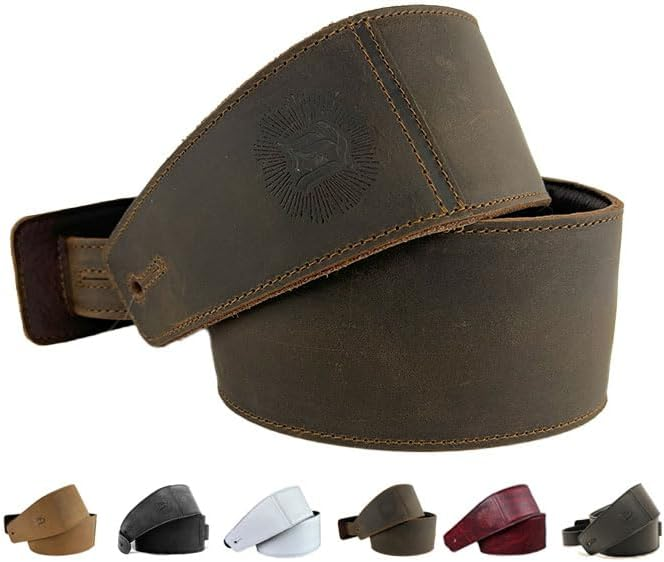
Carry comfort is a buying decision. Straps and handles are where players feel quality. Handle types Molded handle: standard. Rivet-reinforced: for heavy cases. Padded handle: premium feel. Straps Shoulder strap: light instruments. Backpack straps: heavy or frequent carry. Chest strap: distributes weight. Test criteria Handle holds full weight without strain. Straps adjust smoothly. Padding at

Guitar Case Straps and Handles: Ergonomics That Sell Read More »
Why Structured Data Matters for Guitar Case Ecommerce Sites

Structured data tells search engines and AI assistants exactly what your products are. For a factory ecommerce site it is essential. What structured data does JSON-LD markup on product pages lets Google and AI engines read name, price, availability, brand and reviews directly — no guessing from page text. Which types matter for a case

Why Structured Data Matters for Guitar Case Ecommerce Sites Read More »

How to Choose a Banjo Case: 5/5, Open Back and Resonator

Banjo cases must match banjo type — the wrong fit damages the resonator. Banjo types Open back: lighter, old-time sound. Resonator: bluegrass, heavier. Case requirements Fits the rim diameter. Headstock recess. Interior padding for the flange. Choosing Measure your banjo before buying; resonator models need deeper cases. See banjo cases.

How to Choose a Banjo Case: 5/5, Open Back and Resonator Read More »

What Is MOQ and How to Negotiate It with a Guitar Case Factory

MOQ — minimum order quantity — is the first number buyers negotiate. Understanding how factories set it saves you money and prevents frustration. Why factories have MOQs Materials, molds, cutting and stitching all have setup costs. A small order still consumes the same setup time, so factories set a minimum that covers those costs. How

What Is MOQ and How to Negotiate It with a Guitar Case Factory Read More »

What Guitar Case Features Matter for Travel Musicians

Traveling musicians have different case needs than studio players. Weight, locks and mobility come first. Key features Weight: airlines charge by kg — lighter saves money. TSA locks: inspectors can open without damage. Wheels: essential for airports and trains. Backpack straps: hands-free carry. Rain cover: weather protection. Trade-offs Hard cases protect more but weigh more.

What Guitar Case Features Matter for Travel Musicians Read More »

Guitar Case Trends 2026: What Buyers Should Watch

Case trends move with materials, music and logistics. Here are the directions that matter for product decisions. Trends to watch Lighter materials: fiberglass and carbon replace heavy plywood. Sustainable fabrics: recycled PET in bags. Hybrid cases: semi-hard growth continues. TSA-ready: locks built for travel. Smart features: tracking tags and moisture meters. What it means for

Guitar Case Trends 2026: What Buyers Should Watch Read More »

Sample Fees and Lead Times in Guitar Case Sourcing

Sample fees and lead times are the first friction points in sourcing. Knowing the norms prevents misunderstandings. Typical sample fees Stock design, no changes: $20-40, often free. Color/logo customization: $30-80. New mold or structural change: $150-500 or tooling cost. Typical sample lead times Stock: 3-7 days. Custom color/logo: 7-15 days. New mold: 15-30 days. What

Sample Fees and Lead Times in Guitar Case Sourcing Read More »

How to Check Guitar Case Quality at the Factory

A 15-minute checklist at the factory catches most quality issues before they ship. Visual check Exterior fabric: color, texture, no puckering. Stitching: straight, no skipped stitches. Hardware: latches close cleanly, no rust. Hands-on check Open and close every latch 10 times. Zip: smooth both directions. Handle: no tearing under hand weight. Interior: foam even, fabric

How to Check Guitar Case Quality at the Factory Read More »