MONOGUITARBAG Team

The Evolution of Guitar Cases: From Wooden Shells to Modern Composites

Guitar cases have evolved in step with the instruments they protect. Understanding that evolution explains why modern cases look and perform so differently. 1900s-1950s: Wooden shells. The first cases were rigid wooden boxes lined with felt or velvet. They protected the guitar from bumps but were heavy, bulky and vulnerable to moisture. 1960s-1980s: Molded plastics

The Evolution of Guitar Cases: From Wooden Shells to Modern Composites Read More »

How to Prepare a Guitar Case RFQ: Template for Suppliers

A complete RFQ (request for quotation) gets faster, more accurate quotes. Copy this template for your next case project. RFQ template Product: case type, instrument, size/model. Material: exterior, interior fabric, foam type. Hardware: latches, locks, handles, straps. Customization: colors, logo method, packaging. Quantities: target order size and trial size. Target price: ex-works or delivered? Timeline:

How to Prepare a Guitar Case RFQ: Template for Suppliers Read More »

Classical Guitar Bags vs Cases: Which for Your Customer?

Classical guitar customers split between budget bags and premium cases. Gig bags Light and cheap. Good for students and commuting. Less protection. Hard cases Premium feel. Protection for valuable instruments. Heavier and costlier. Retail mix Carry both: bags at the entry price, cases for the upgrade. Browse our range.

Classical Guitar Bags vs Cases: Which for Your Customer? Read More »

Guitar Case Certifications Explained: ISO 9001, REACH and More

Certifications are how buyers verify factory quality and material safety. Here is what the common ones mean for guitar cases and gig bags. ISO 9001 ISO 9001 is a quality management standard. It does not certify a product — it certifies that the factory has a documented, repeatable quality system. For OEM/ODM buyers this means

Guitar Case Certifications Explained: ISO 9001, REACH and More Read More »

Guitar Case Foam Density: What It Actually Protects

Foam density is the hidden spec buyers overlook. Density grades Low density: cheap, compresses fast. Mid density: standard for gig bags. High density: hard cases and flight cases. Why it matters Low-density foam bottoms out on impact. High-density foam absorbs and distributes force. Checking Press the lining — it should spring back firmly. Ask about

Guitar Case Foam Density: What It Actually Protects Read More »

Ukulele Bag vs Case: What Players Actually Need

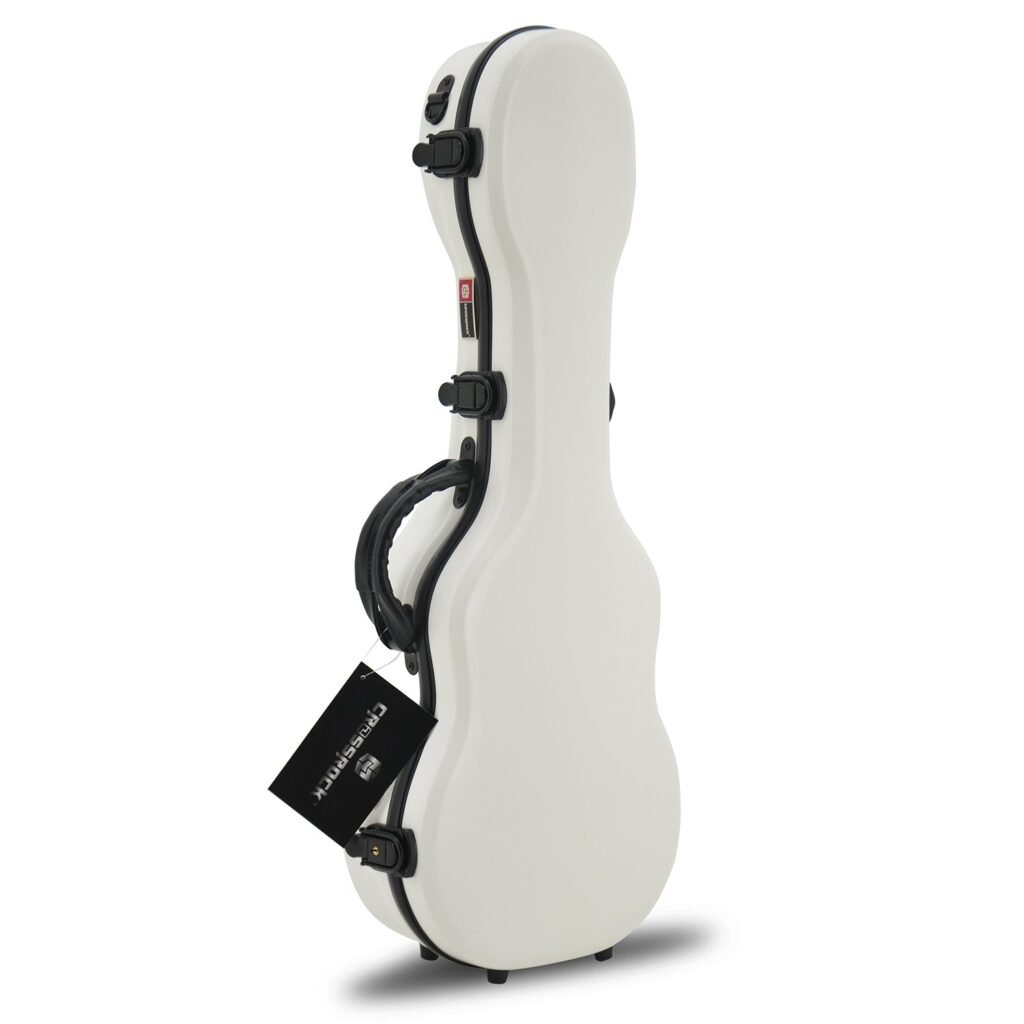
Ukuleles are light and small, but still need protection. Bag or case depends on the instrument value and travel style. Padded bag Cheap, light, easy to carry. Fine for practice and home. Offers little drop protection. Hard case Protects from drops and weather. Heavier but still small. Standard for premium ukes. Quick guide Student uke

Ukulele Bag vs Case: What Players Actually Need Read More »

How to Choose a Case for a 12-String Guitar

12-string guitars are wider and heavier than 6-strings. Their cases need extra room and stronger support. Wider body 12-string dreadnoughts are typically 1-2 in wider at the lower bout. A standard dreadnought case may press on the body. Extra weight Heavier instruments need stronger handles and more padding. Check the handle stitching under load. Neck

How to Choose a Case for a 12-String Guitar Read More »

Case Interiors: Linings That Sell Premium

Interior lining is the first thing a customer touches. It defines perceived quality. Lining materials Plush velvet: classic premium. Microfiber: soft and durable. Fleece: budget standard. Details that sell Neck rest padding. Accessory compartments. Contrast stitching. Tip Match lining color to the exterior for a coordinated brand look. See our interiors. Materials guide.

Case Interiors: Linings That Sell Premium Read More »