
Acoustic guitars are made of wood, and wood responds to its environment. Most acoustic damage — cracks, warped necks, lifting bridges — comes from improper storage, not from playing. Here is the storage guide every owner and every retailer should know.
The Humidity Range
Keep the guitar between 40% and 55% relative humidity. Below 40%, the wood dries and can crack; above 60%, the top can swell and the neck can bow. A small hygrometer in the case or room is cheap insurance.
Temperature
Avoid extreme temperature changes. Never leave a guitar in a car in summer or winter — interior temperatures can swing 30°C in an hour. Let the instrument acclimate before opening the case after transport in extreme weather.
Always Store in the Case
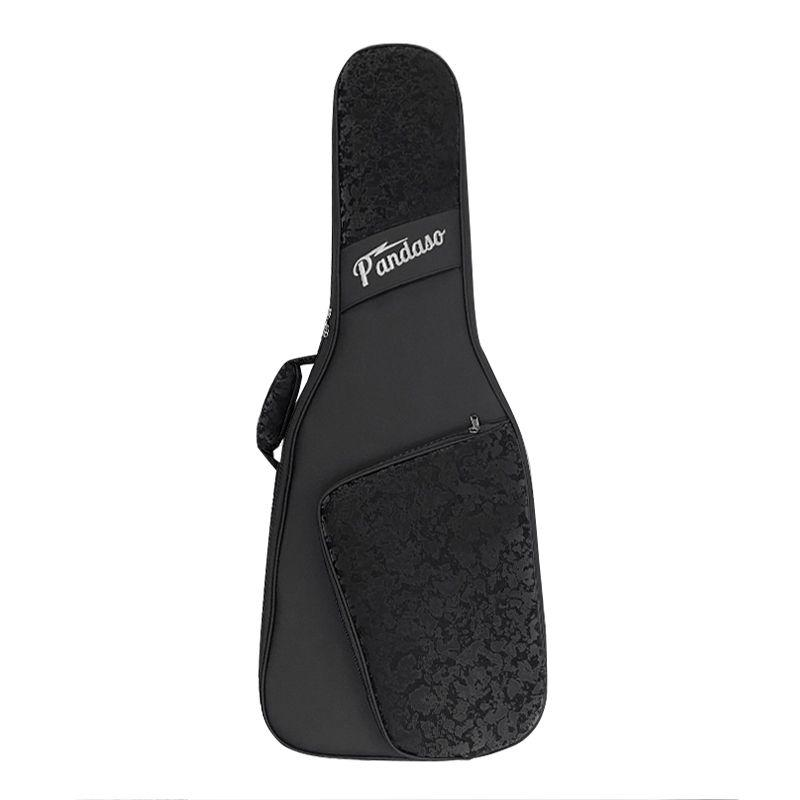
Even a gig bag protects against dust, bumps and humidity swings. A closed case keeps the guitar at a more stable microclimate than an open room. Store the case standing or flat — avoid leaning it on corners where the interior padding compresses.
Seasonal Care
- Winter (dry heat): consider a room humidifier or in-case humidifier; check for fret ends protruding (a sign of dry wood).
- Summer (humidity): silica gel packets in the case can help; keep away from direct sunlight and air-conditioner drafts.
- Before travel: loosen strings slightly for flights or long storage.
Case Maintenance
Wipe the case interior occasionally and vacuum dust from gig bags. Check zippers and handles seasonally. A case that closes with a gap is not sealing — fix or replace the closure. Quality sealed gig bags and cases make storage easier — our 1680D waterproof shells keep moisture out and stability in.