
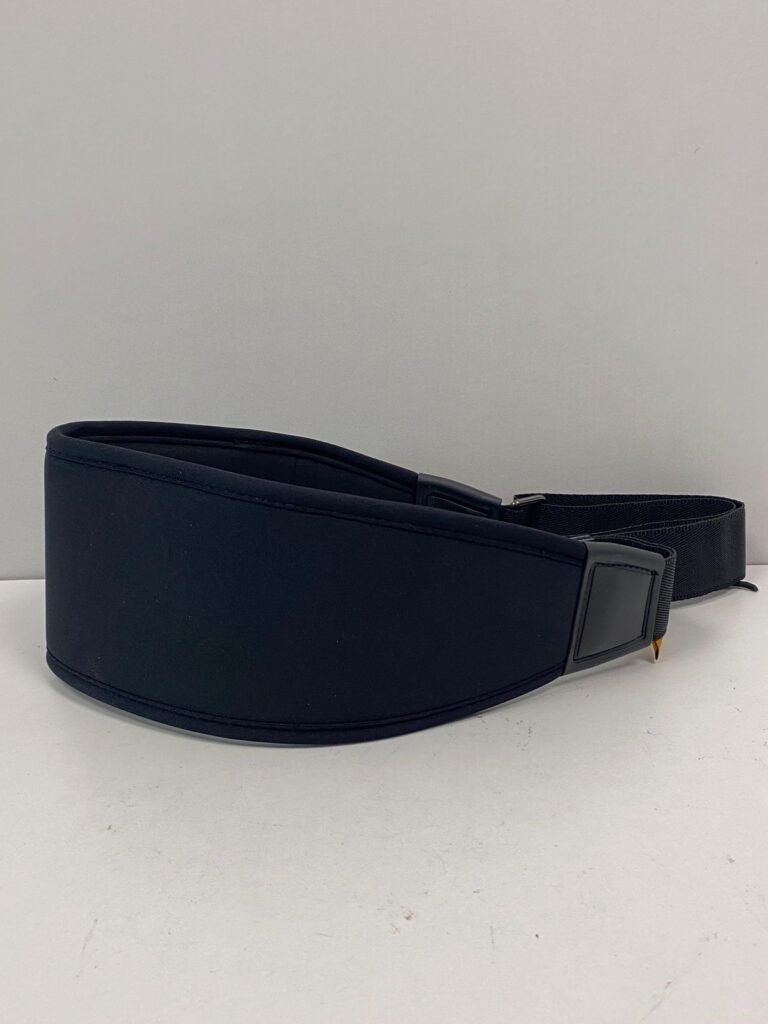
A gig bag with backpack straps turns a heavy instrument into something you can carry for miles — or a painful load, depending on the strap design. Here is what good backpack straps look like and how they should fit.
What Good Straps Do
- Spread the weight across the shoulders, not the neck.
- Stay put while walking — straps that slide off shoulders make the bag heavier than it is.
- Distribute pressure with padding — unpadded straps dig in after ten minutes.
Padding and Width
Look for 8–10 cm wide padded shoulder sections with firm, non-slip foam. Thin straps with soft foam compress quickly. A padded section that follows the shoulder curve (slightly curved or contoured) is noticeably more comfortable than a straight strip.
Strap Placement on the Bag
Straps should attach high and wide on the bag body, close to the weight center. Straps attached too low make the bag hang awkwardly and pull backward. The length adjusters should sit within easy reach at the front.
Extras That Matter
- Chest strap: keeps the two straps from slipping apart on long walks.
- Reinforced attachment points: the stitching where straps meet the bag takes the whole load — it must be double-stitched.
- Handles: a top handle for short carries and van load-ins.
Testing the Fit
With the guitar loaded, the bag should sit high on the back, not sagging at the hips. Adjust both straps evenly. If the bag pulls backward at the top, the strap placement or balance is wrong.
When ordering gig bags in bulk, ask about upgraded backpack strap options — padding and strap hardware are a small cost increase with real value for players. Browse our padded gig bags or spec straps for your brand.