Drummers carry more loose gear than any other musician — sticks, brushes, mallets, cymbals, small percussion. A good stick bag keeps it organized and protects it in transit. Here is what to look for.
Stick Bags: Size and Layout
- Capacity: a bag that holds 10–12 pairs covers most gigs; touring drummers need 20+ pairs.
- Compartments: separate pockets for sticks, brushes, mallets and accessories prevent damage and speed setup.
- Closure: zippered bags keep contents from spilling when the bag is tossed in a case or van.
Padding That Matters
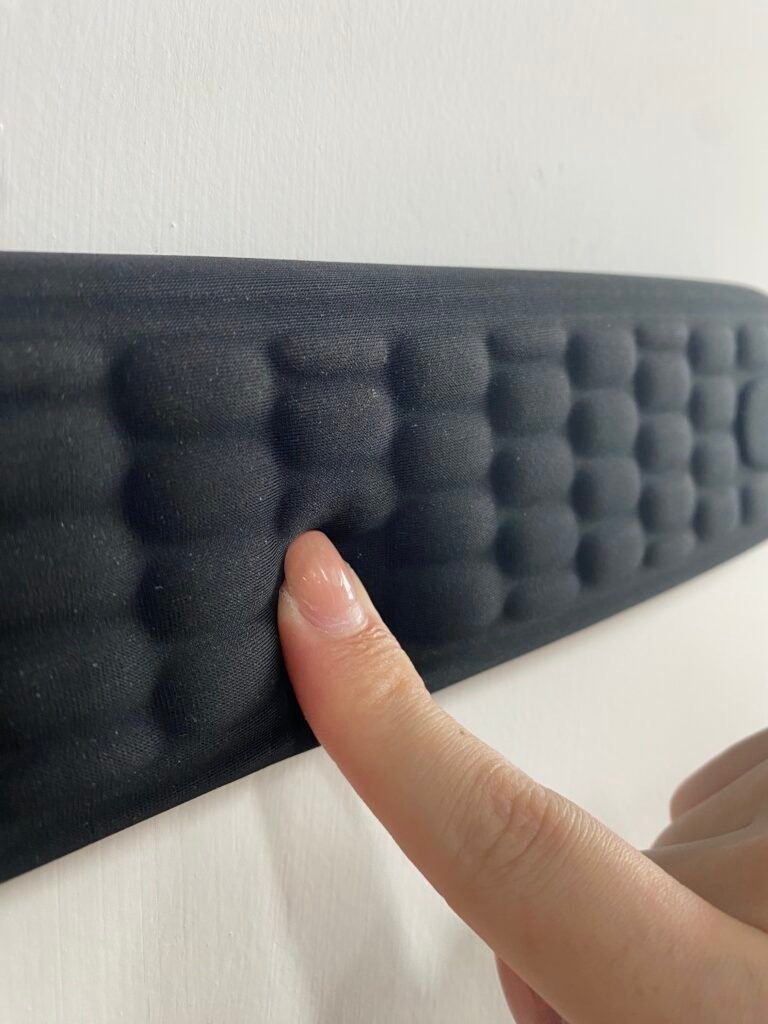
Stick tips and nylon-tipped brushes are fragile — the bag needs padding on the bottom and ends, where sticks land when the bag is set down. Thin canvas bags let tips wear through over time.
Carry Options
- Over-shoulder strap — standard for stick bags.
- Mounting loops — some bags attach to floor tom or hardware cases, keeping them off the floor.
- Backpack hybrid — good for public transport.
Percussion and Cymbal Bags
Small percussion (shakers, tambourines, cowbells) does best in compartmented bags with soft dividers. Cymbals need dedicated padded cymbal bags with individual dividers — stacking cymbals without protection is the fastest way to edge chips.
Material Choice
Reinforced polyester or PU leather shells resist wear from constant zipping and floor contact. Waterproof coating protects in rainy load-ins. If you fly, choose bags that pack flat inside a case. Browse our accessory range or custom-build percussion bags for your brand.