Industry Insights

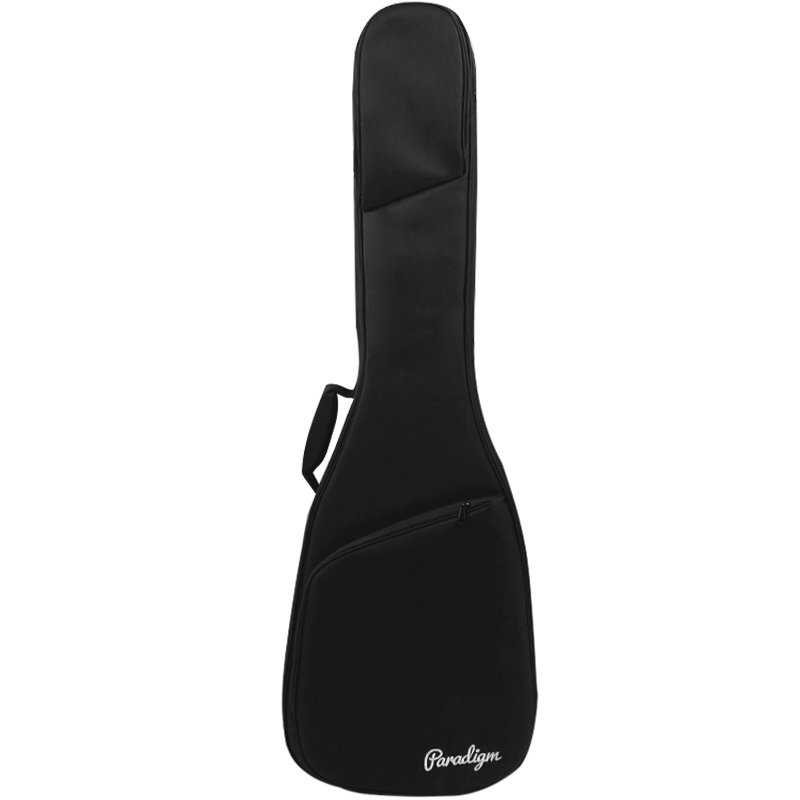
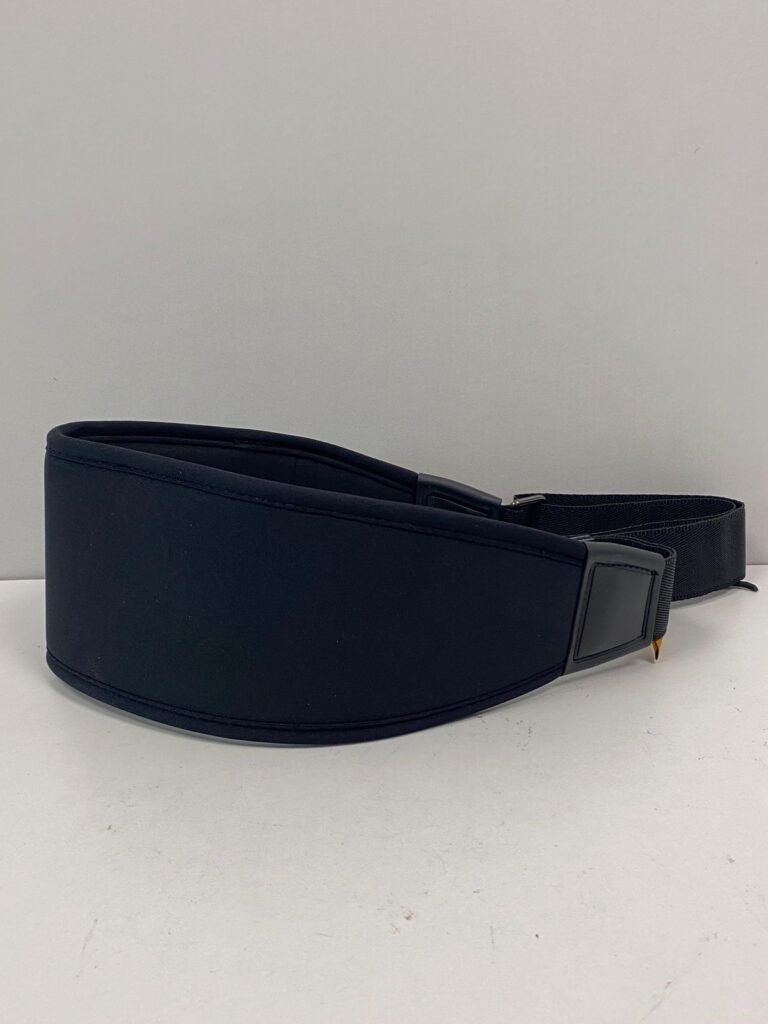
Guitar Strap Pads: Comfort, Style and When to Use Them

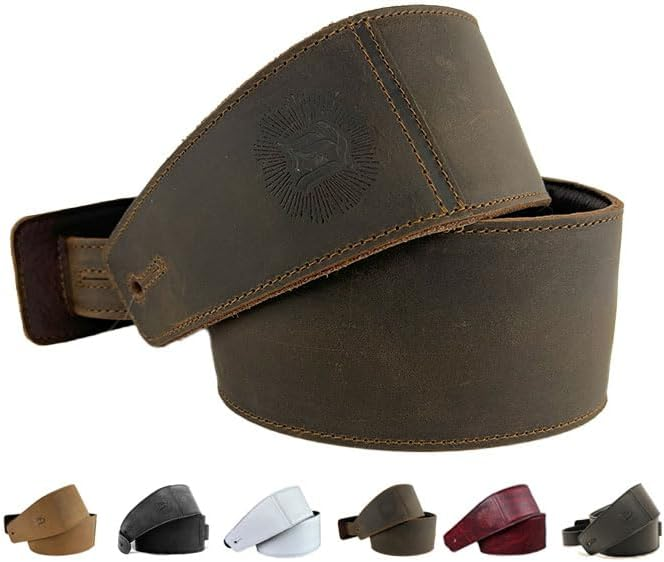
Strap pads spread the weight of the guitar across the shoulder. They are simple accessories with a real comfort payoff. Why they help Heavy guitars (10-12 lb) dig into the shoulder on narrow straps. A pad spreads the load and reduces fatigue in long sets. Types Foam pads: cheap, basic comfort. Leather pads: premium look,

Guitar Strap Pads: Comfort, Style and When to Use Them Read More »
How to Choose Guitar Case Colors That Sell

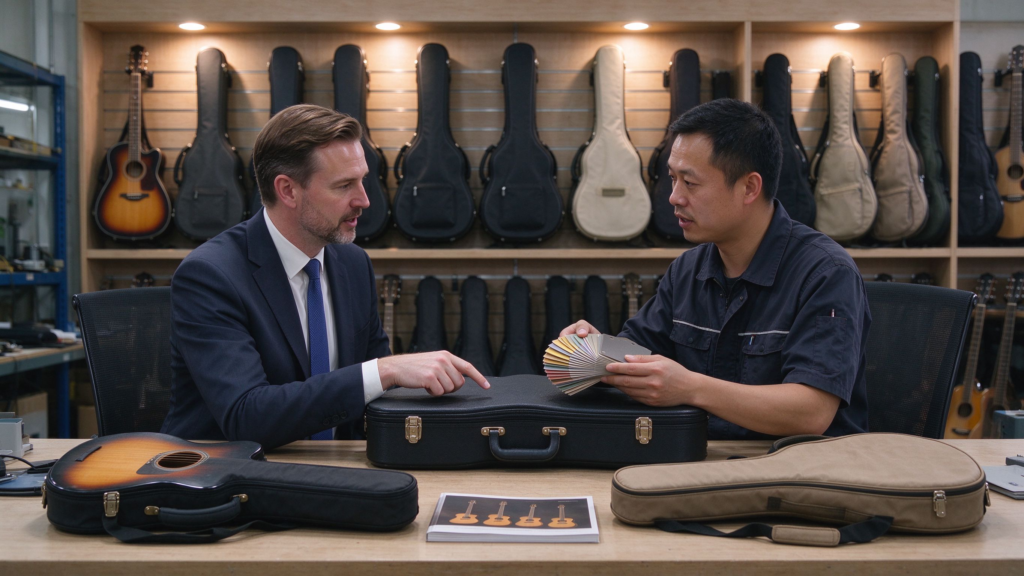
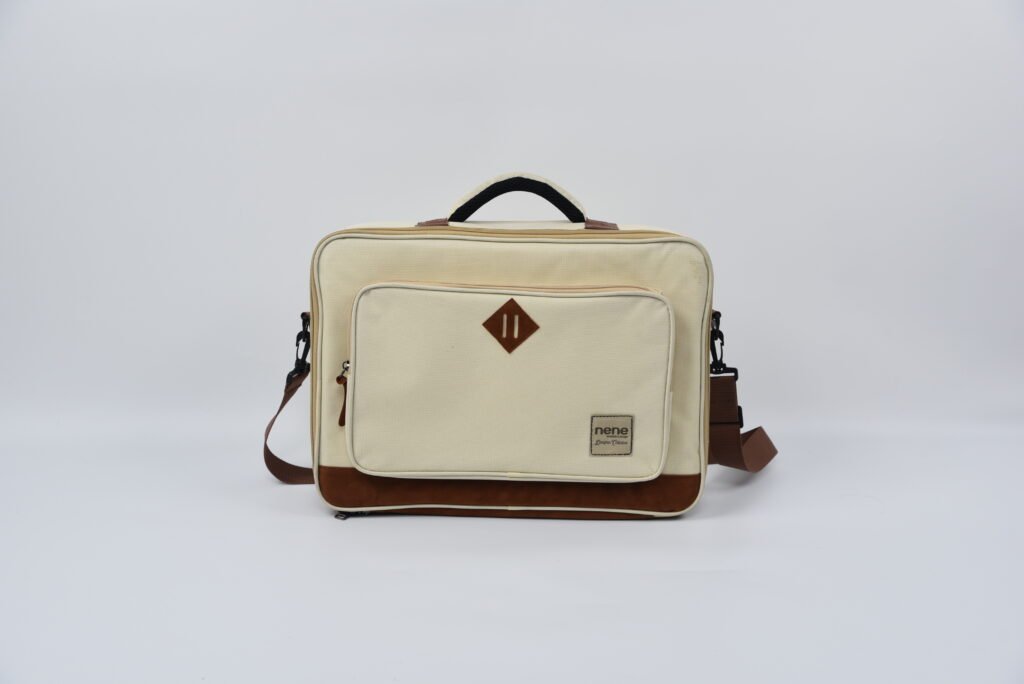
Color is a buying decision before players touch the case. Good color choices lift conversion; bad ones kill it. What sells Black: always, 60-70% of sales. White: premium feel, popular for cases. Brown/tweed: vintage and acoustic buyers. Brand colors: differentiation. How to choose Match the instrument finish. Match your brand palette. Consider seasonal accents. Offer

How to Choose Guitar Case Colors That Sell Read More »

Factory Audits for Guitar Case OEM: What to Check

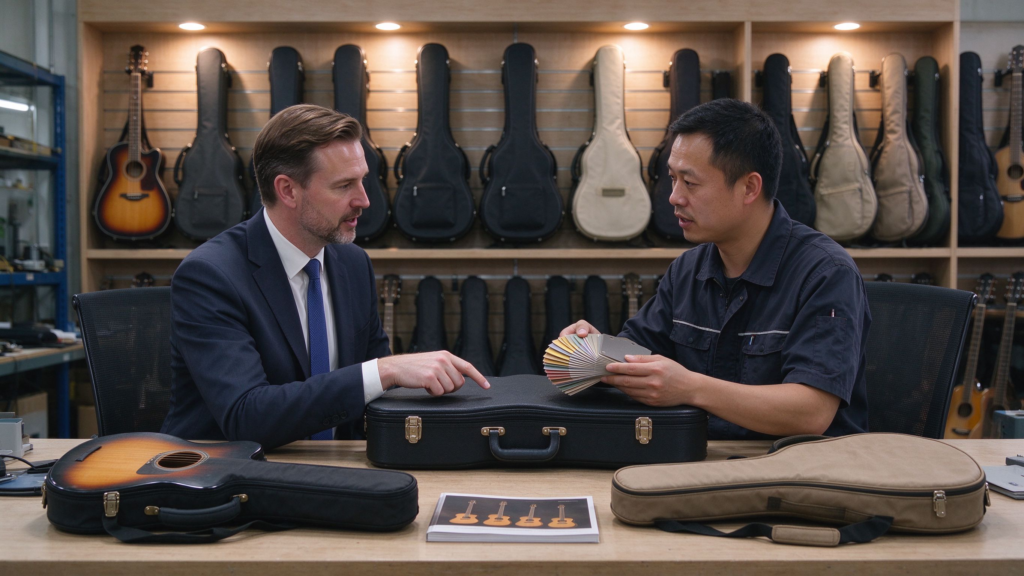
A factory visit can save years of supplier headaches. Here is a checklist. Production floor Cutting and sewing stations. Machine maintenance. Housekeeping and workflow. Quality control Incoming material inspection. In-line checks. Final QC and sampling. Records Test reports for materials. Order history and lead time track record. Visit our factory. See the workshop.

Factory Audits for Guitar Case OEM: What to Check Read More »

Custom Guitar Case Colors: Matching Your Brand Identity

Color is the fastest way to differentiate your case line. Matching brand colors exactly requires a color process, not just a pantone name. Where color applies Exterior: PU leather, vinyl, fabric or ABS shell. Interior: velvet, plush or suede lining. Hardware: black, chrome, gold or antique finishes. Piping and stitching: contrast colors for a premium

Custom Guitar Case Colors: Matching Your Brand Identity Read More »

Guitar Case Sample Process: From RFQ to Approved Sample

The sample stage is where a case project either moves fast or stalls. Here is the standard process and how to keep it moving. Step 1: RFQ and spec sheet Send your spec: type, size, materials, hardware, colors, logo. The factory confirms feasibility and quotes. Step 2: Sample agreement Confirm sample fee, timeline, and what

Guitar Case Sample Process: From RFQ to Approved Sample Read More »

Custom Guitar Case Hardware: From Zippers to TSA Locks

Hardware choices define durability and premium feel. Zippers Standard: economical. YKK: reliability standard. Waterproof: travel cases. Locks Latch-only. Keyed locks. TSA-approved for air travel. Handles and feet Molded handles, reinforced feet and corner guards extend case life. Specify hardware with us. OEM details.

Custom Guitar Case Hardware: From Zippers to TSA Locks Read More »

How to Get Custom Guitar Case Logos: Emboss, Print and Patch

Your logo is the fastest way to make a case feel like your brand. Different logo methods suit different materials and budgets. Embossing (debossing) Presses the logo into PU leather. Elegant, durable, no color to peel. Best on PU leather exteriors. Great for classic, understated brands. Printed logos Screen or pad printing works on most

How to Get Custom Guitar Case Logos: Emboss, Print and Patch Read More »

Violin Bow Cases: The Forgotten Accessory with Real Margin

Bow cases protect the most fragile part of the violin kit — and they are easy to sell at retail. Why bows break Bows stored loose in instrument cases collide. Humidity changes warp the wood. Tips chip on hard surfaces. Bow case types Single: everyday carry. Multi-bow: teachers and luthiers. Hard shell: touring. Retail note

Violin Bow Cases: The Forgotten Accessory with Real Margin Read More »