MONOGUITARBAG Team

Violin Bow Cases: The Forgotten Accessory with Real Margin

Bow cases protect the most fragile part of the violin kit — and they are easy to sell at retail. Why bows break Bows stored loose in instrument cases collide. Humidity changes warp the wood. Tips chip on hard surfaces. Bow case types Single: everyday carry. Multi-bow: teachers and luthiers. Hard shell: touring. Retail note

Violin Bow Cases: The Forgotten Accessory with Real Margin Read More »

Bow Cases and Cello Cases: Protecting the Full String Family

Bow and cello cases complete the string instrument protection story. Bow cases Hold 1-12 bows. Carbon fiber or wood shells. Humidity protection for the wood. Cello cases Fit 1/4 to 4/4 sizes. Wheels for heavy transport. Bow compartments built in. Brand angle String players buy premium cases — margin is strong. Browse cello cases.

Bow Cases and Cello Cases: Protecting the Full String Family Read More »

How to Work with a Guitar Case Factory: Communication Tips That Save Time

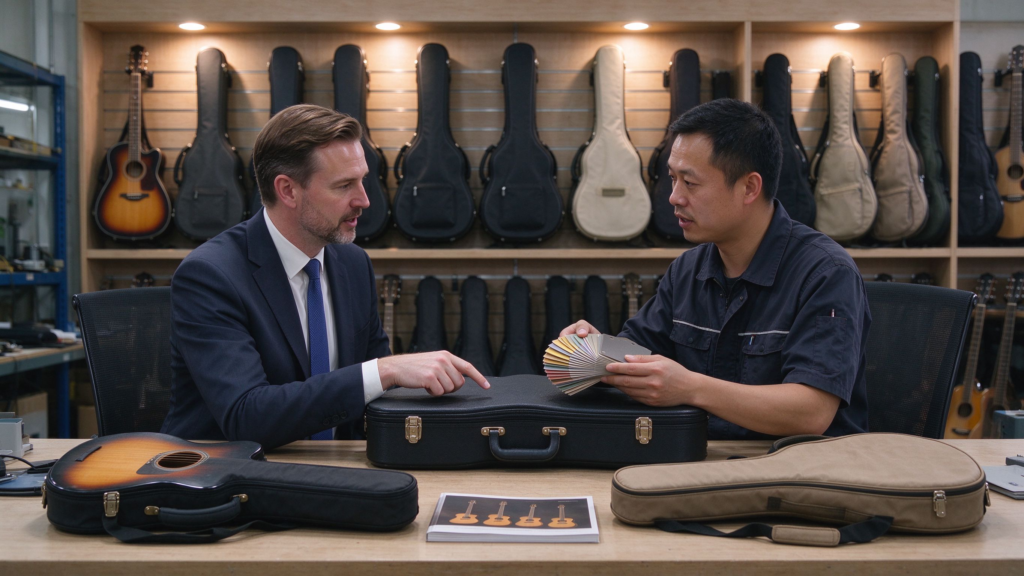
Most sourcing delays are communication problems, not production problems. These habits save weeks. Send complete briefs One message with: product type, sizes, materials, colors, hardware, logo, quantities, target price, timeline. Ambiguity costs a round-trip. Confirm before you assume Factory English varies. Repeat back key numbers: dimensions, MOQ, lead time, sample cost. Written confirmation prevents surprises.

How to Work with a Guitar Case Factory: Communication Tips That Save Time Read More »

Guitar Case Material Science: ABS vs Carbon Fiber vs Wood vs Soft Shell

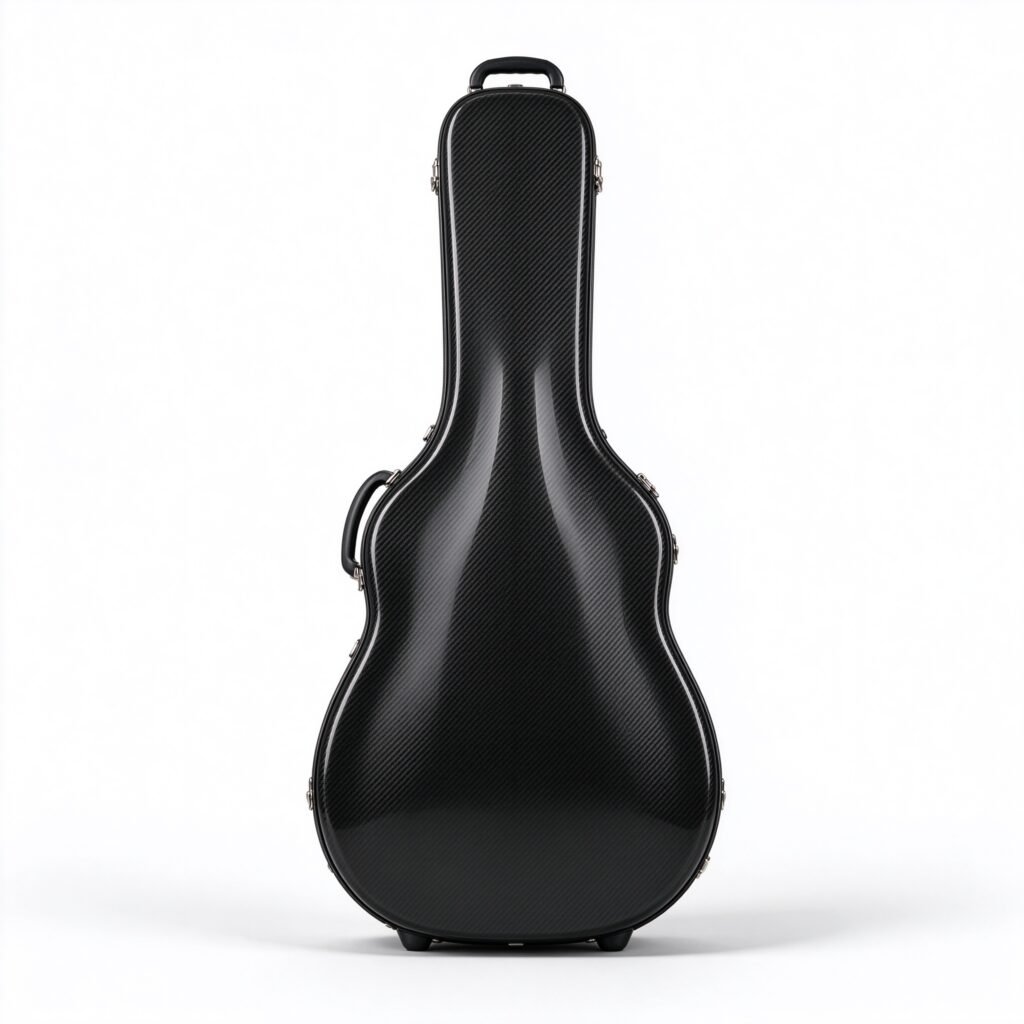
Four case families dominate the market. Understanding their engineering trade-offs helps you position your line. ABS Molded Shell Injection-molded plastic: affordable, waterproof, consistent. The volume workhorse. Weight 2.5-3.5 kg. Scratches show but structure holds. Carbon Fiber Vacuum-bagged shells: the lightest strong option (1.8-2.5 kg), premium price, sells on airline-travel stories. Higher tooling cost for OEM

Guitar Case Material Science: ABS vs Carbon Fiber vs Wood vs Soft Shell Read More »

Guitar Case Cushioning: EPE, EVA and EPS Foam Explained

Foam choice determines how a case absorbs impact. Three materials dominate, each with different feel and performance. EPE (polyethylene foam) Flexible, lightweight, common in gig bags. Good vibration damping. Density 20-40 kg/m3 typical. EVA (ethylene-vinyl acetate) Firmer, better impact resistance, shapes well. Used in semi-hard and premium interiors. EPS (expanded polystyrene) Rigid, crush-resistant, moldable. Used

Guitar Case Cushioning: EPE, EVA and EPS Foam Explained Read More »

Mandolin Cases and Bags: A Small Niche with Steady Demand

Mandolin owners need cases too, and few brands serve them well. Styles A-style: teardrop body. F-style: scroll body, longer neck. Protection Padded bag for light use. Hard case for value instruments. Form-fit interior prevents shifting. Retail tip Mandolin cases are high-margin: demand is steady, competition is low. Browse mandolin cases.

Mandolin Cases and Bags: A Small Niche with Steady Demand Read More »

PU Leather vs ABS for Guitar Cases: What Buyers Should Know

Two materials dominate guitar case exteriors: PU leather and ABS. Buyers often ask which is better. The honest answer: they solve different problems. PU leather cases PU (polyurethane) leather gives a premium, soft-touch look with a classic instrument-case aesthetic. It absorbs minor impacts, feels great in hand and is easy to brand with embossing or

PU Leather vs ABS for Guitar Cases: What Buyers Should Know Read More »